
Samhain Spiritual Practice - Letting Go of what no longer serves
Written by Britta Schmitz
In Celtic Mythology the fire festival of Samhain (the ancestor of Halloween and All Hallow’s Eve) marks the beginning of the New Year. Now is the time to let go of what no longer serves us to create space for the new. In this blog we share a simple ritual for the season with you. You can do it at home whenever you like over the coming weeks.
The energies of the season
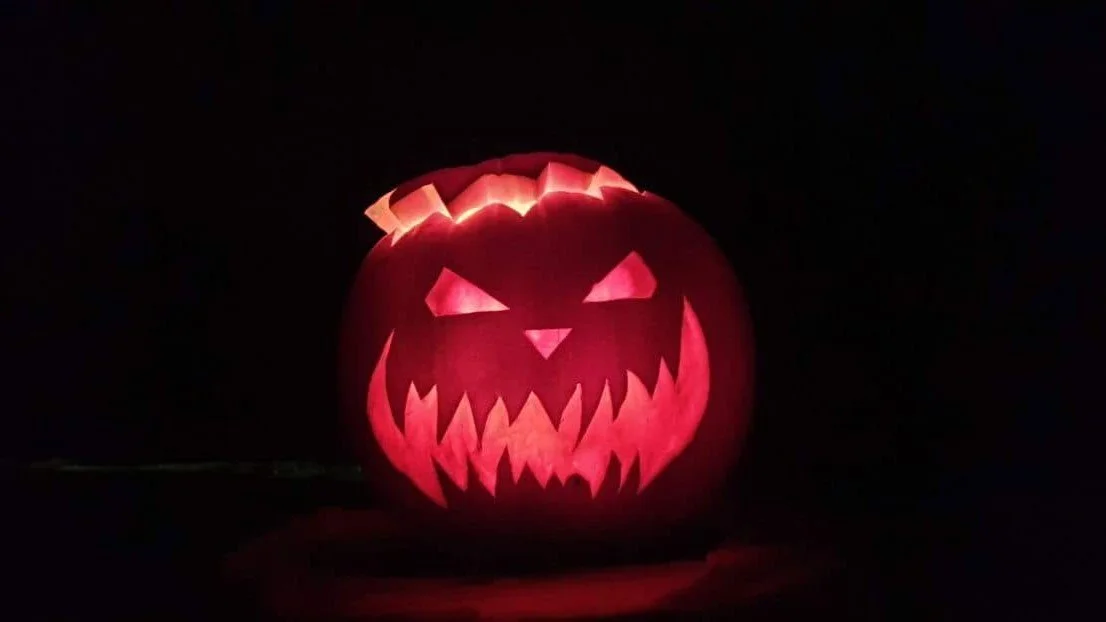
Carved pumpkin: traditionally local turnips were made into lanterns at Samhain, picture by Anna Kovasna
Autumn has truly arrived here at Findhorn. While I am typing, a big storm is howling around the house, leaves are falling around us, candles are lit, a cup of tea is brewed and it is still pitch black at 7am in the morning… My favourite time of year is here! And with it all our community’s traditional celebrations, practices and rituals of this season.
Many a carved pumpkin is showing its orange face around the Ecovillage and my thoughts are going back to the Jack’o Lanterns of days gone by, which used to be made from turnips and other local root vegetables at a time when Halloween or All Hallow’s Eve was still closely connected to its origin: the Fire Festival of Samhain, that marks the next big turn on the Wheel of the Year in Celtic Mythology.
When is Samhain?
Samhain: the Celtic New Year at the beginning of winter
Samhain marks the Celtic New Year and the beginning of winter. For the Celts all journeys begin as we descend into the darkness, so all their festivals start at sunset because this is when their day begins: when night draws in. Just like every seed needs the fertile darkness of the earth to germinate, the Celts started their days in the dreamtime of the night. So it is no wonder that their New Year begins as we are entering the darkest months of the year.
These days Samhain is celebrated from sunset on the 31st of October until sunset on the 1st of November according to modern day's calendars. Traditionally the festivities were held during the darkest night at the end of October or the beginning of November at the first new moon after the last harvest, when the dark half of the year begins.
Within the rhythms of the agricultural year now is the time when all animals were brought in from their summer pastures, two big bonfires were lit and cattle was driven through the middle of them to be purified by the smoke before returning to the stables for winter.
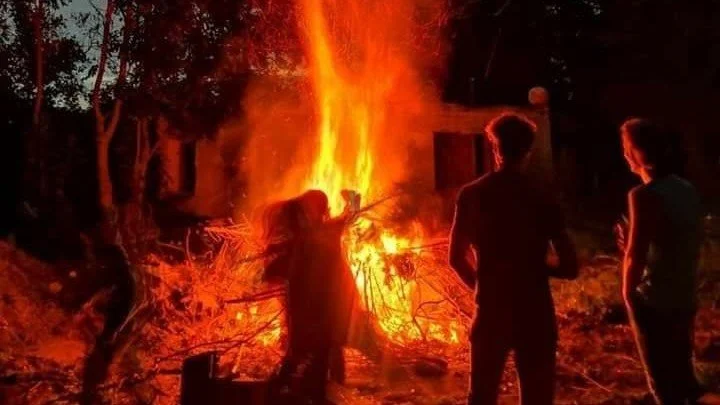
Samhain bonfires always give ample opportunity to be purified by the smoke :)
This year Lunar Samhain falls on the 9th of November: the New Moon in Scorpio. Like all Celtic Festivals Samhain encompasses more of a time period with a seasonal focus than one exact point in time. So if you feel like celebrating this special time of transition feel free to do it whenever it is right for you within the coming weeks.
What is Samhain?
The meaning of Samhain in Celtic Mythology
At Samhain we are entering the dark half of the year that lasts until Beltane at the end of April, beginning of May. According to folklore these are the two times of the year when the veil between our world and the Otherworld is at its thinnest and we can connect to our ancestors and loved ones who have already passed over. So that we will be able to touch the unbroken thread which connects us to the ones who have walked the mysterious path between life and death before us.
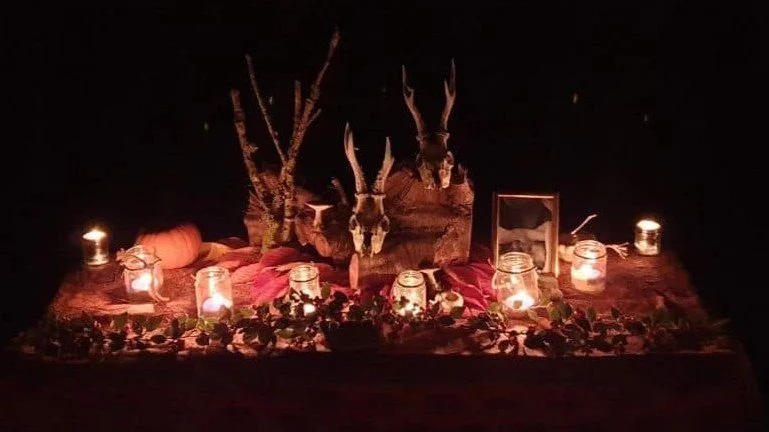
Ancestor Altar at a Samhain bonfire many moons ago at Cullerne Garden, picture by Anna Kovasna
In many traditions all over the world the beginning of November is the time of year where we honour our ancestors. Here in Scotland many follow the tradition of setting a seat with plates of food for them at the table at our Samhain celebrations, light candles in their honour, create an altar with their pictures, remember them in stories and songs and do whatever feels right to make the connection to those we have loved and lost.
It is also a good time to leave what no longer belongs to us behind and move forward into our future, unburdened.
What to do at Samhain?
Community Celebrations & Personal Spiritual Practice
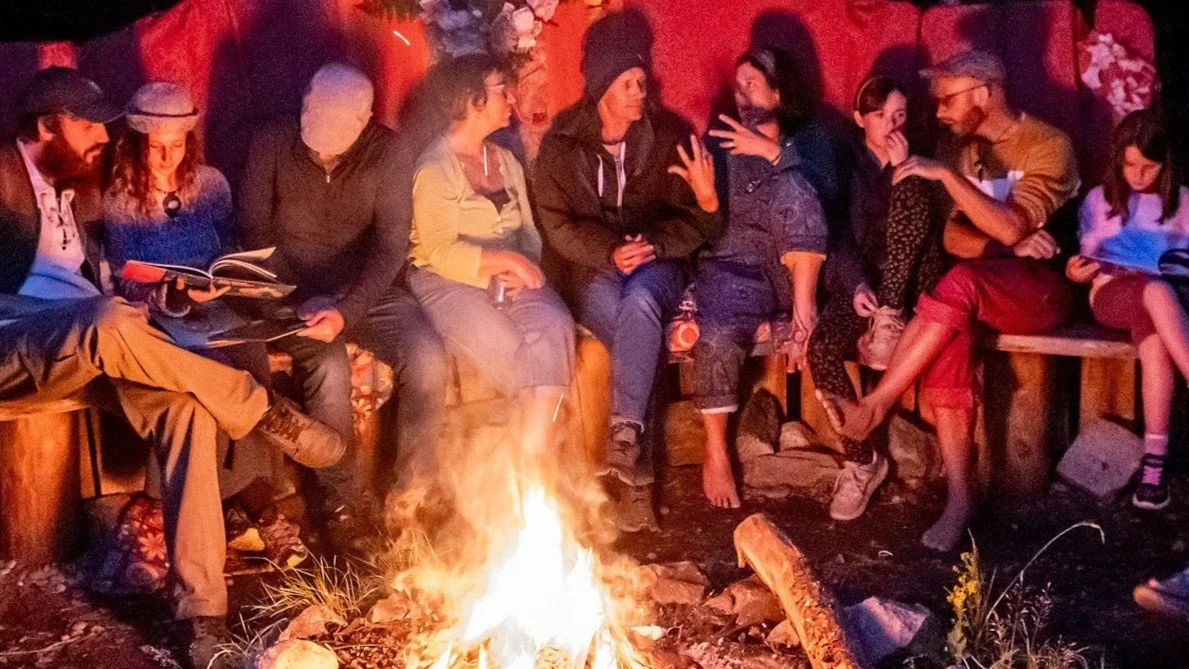
Sharing stories at a community bonfire celebrating the liminal spaces during the year’s eight big nights of transition, when the Celtic Wheel of the Year turns, picture by Mark Richards
Community Celebrations
There are many community festivities to celebrate Samhain. Traditionally bonfires are lit, people might or might not dress up, there is food and drink, stories, music and children walk from house to house in their costumes to trick and treat (or guising as it is called here in Scotland).
Personal Spiritual Practice
Like many of us, I often take part in the community's festivities and also set some time aside to do my own spiritual practice for the season by myself or in a small group. In Celtic tradition the liminal time of Samhain offers the opportunity to turn more inwards and focus on our own journey through this lifetime.
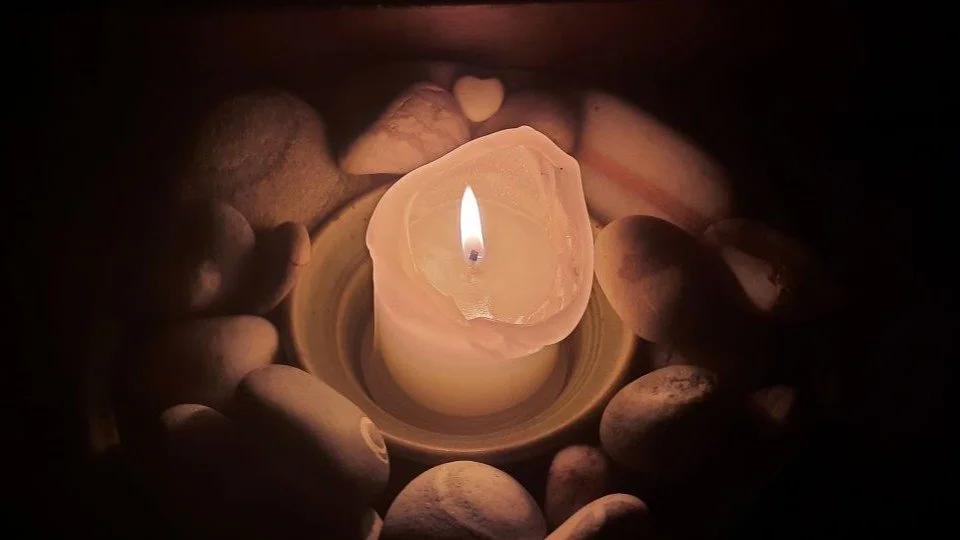
Tending our inner light as we are entering the darker season, picture by Britta Schmitz
As we are entering the dark half of the year the seeds are sleeping deep within the earth before they’ll be woken up by the warming sunlight next spring. Now is a good time to take a look at the seeds that are lying in our own hearts. In these darkening nights we have the opportunity to decide which seeds we wish to grow into our future and which ones we would like to release.
We'd like to offer you a simple ritual to let go of anything that no longer serves you and which you don’t wish to carry with you into the coming season.
Spiritual Practice: A Samhain Ritual of Letting Go
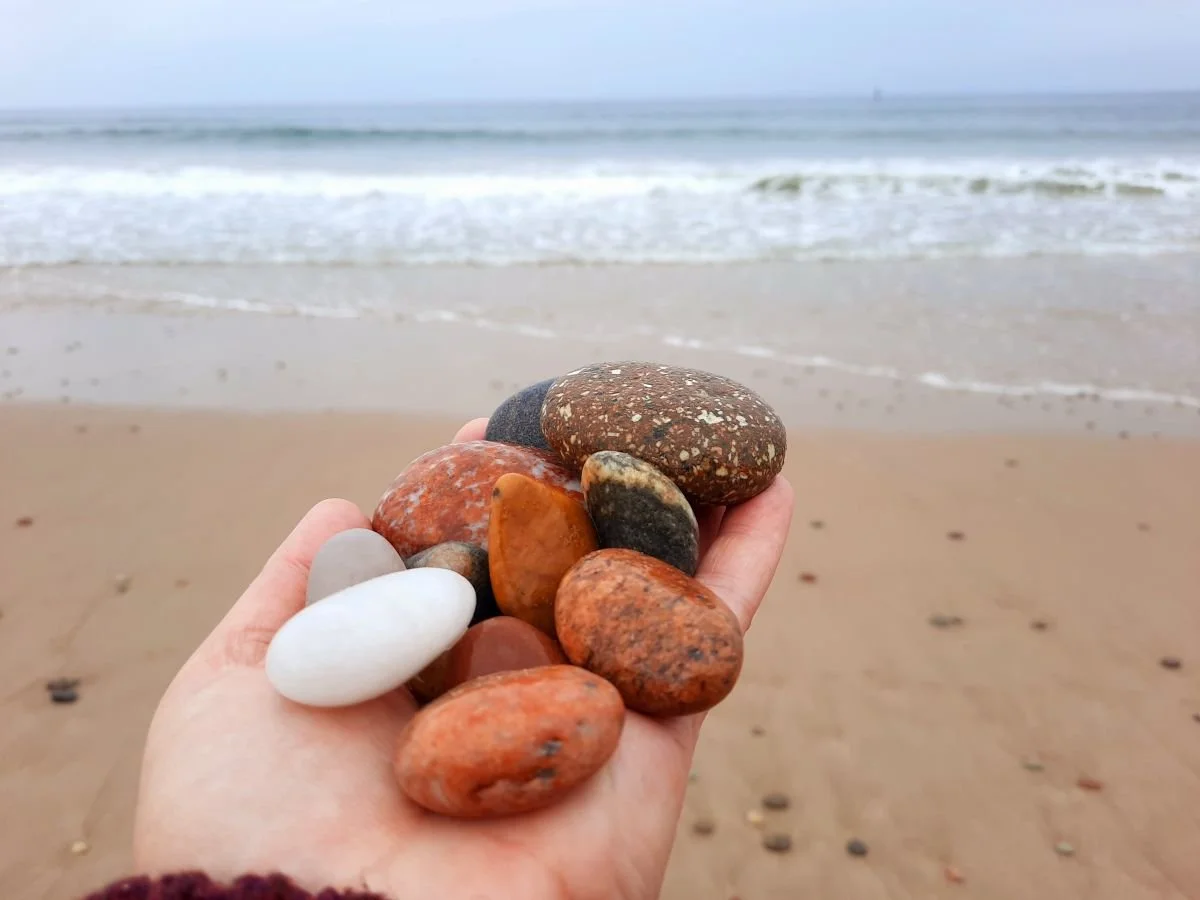
Letting go of the old with a stone and water ritual, picture by Britta Schmitz
Step 1: Attunement
Find a quiet spot and take a moment to tune in to where you are right now. Make yourself comfortable, become aware of your surroundings and connect to a place of stillness within yourself.
Bring your awareness to the year that is just coming to an end and focus on what you have experienced. Take time to contemplate what has felt good and what has been slightly more challenging for you. Feel into what you are ready to release now and visualise it clearly.
You can use the following questions to guide you:
What felt uncomfortable in my life in the past year?
What am I not so proud of?
What situations have made me feel uneasy?
Where would I have liked to have acted differently?
Where do I feel unfree or restricted?
Where could I have been more loving?
Be open to any insights and experiences during the attunement and feel free to extend this attunement into the last years or any time period in your life you feel drawn to now.
Step 2: Letting go of what no longer serves you
There are many ways of letting go. Here are two options for you to choose from and of course you can come up with whatever works best for you.
💖 Option 1: Out in nature with pebbles
One simple way of letting go is inspired by an ancient tradition of collecting stones to represent what you would like to let go of and then releasing them into water.
That’s how you do it:
Gather: Collect small stones
Connect: think of what you would like to let go of
Seek: a body of water: river, lake, sea
Energise: hold the stone and speak out loud what it represents
Release: throw it into the water
Remember: Keep one stone as a witness of what you have released
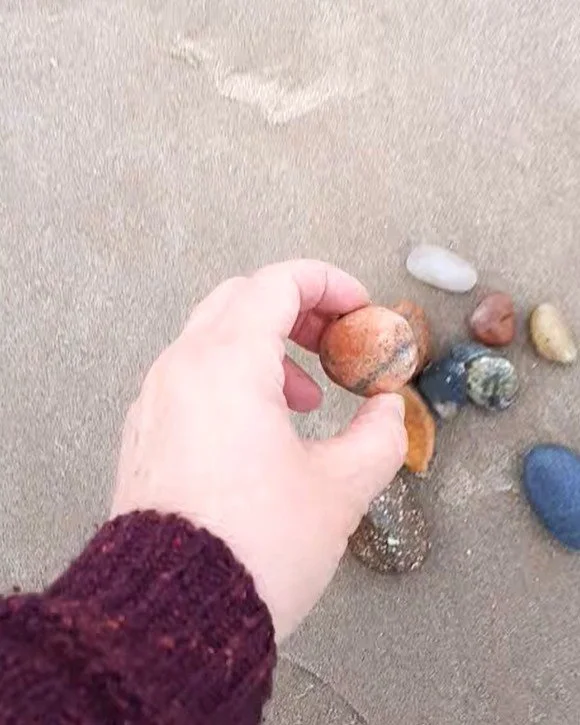
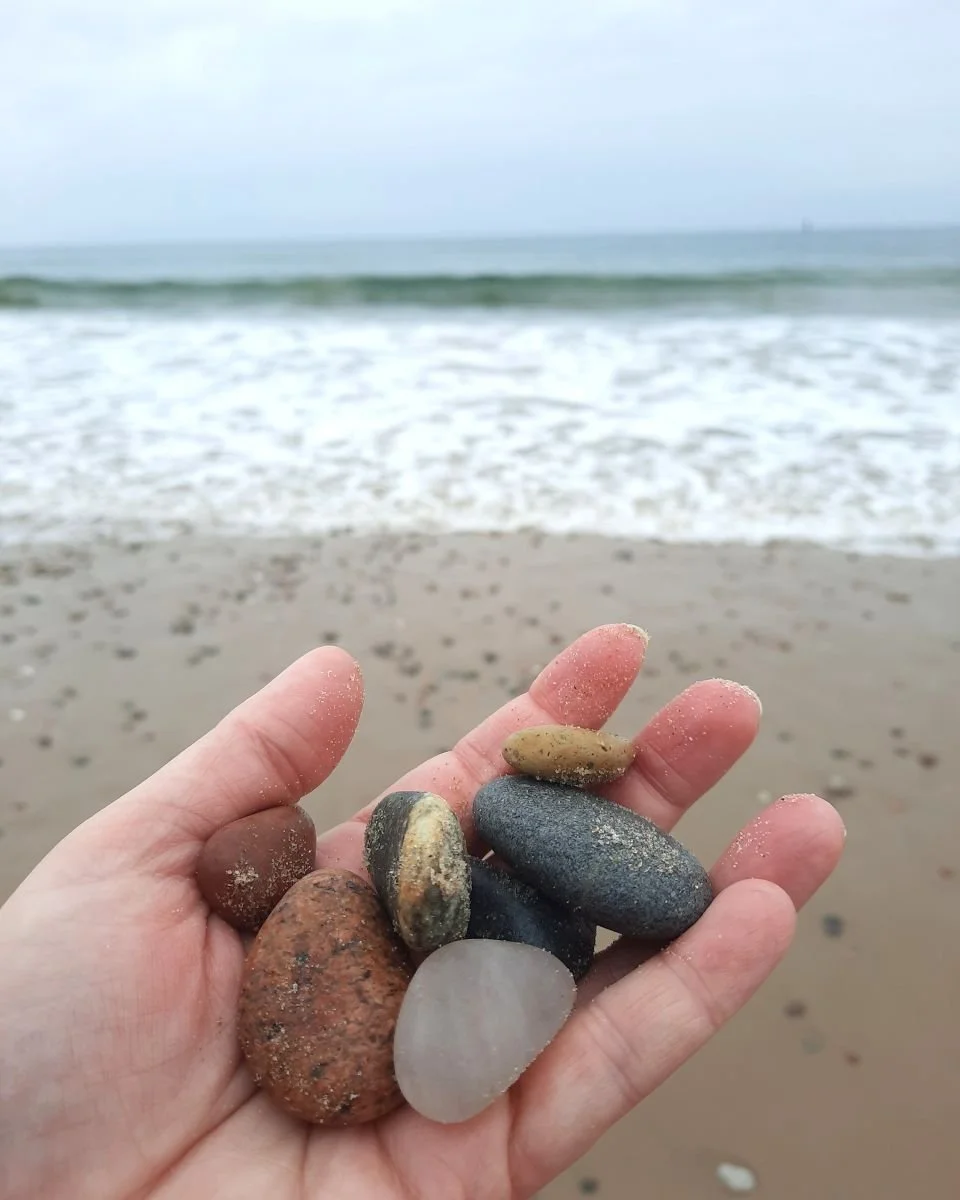
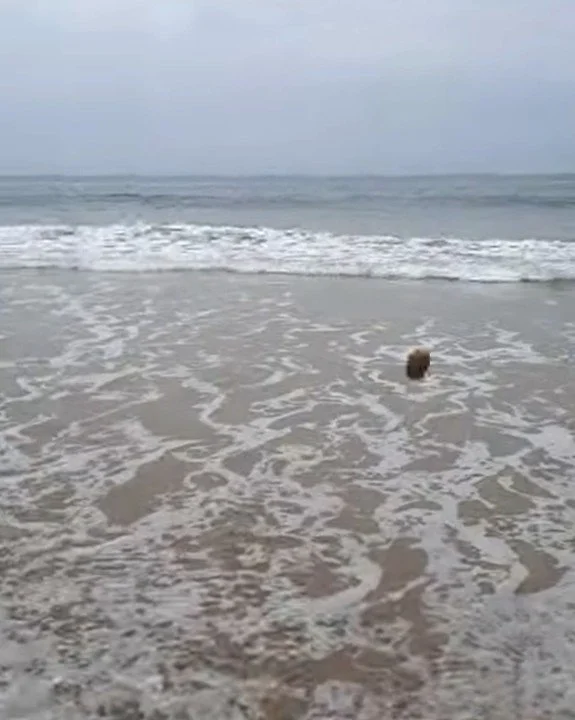
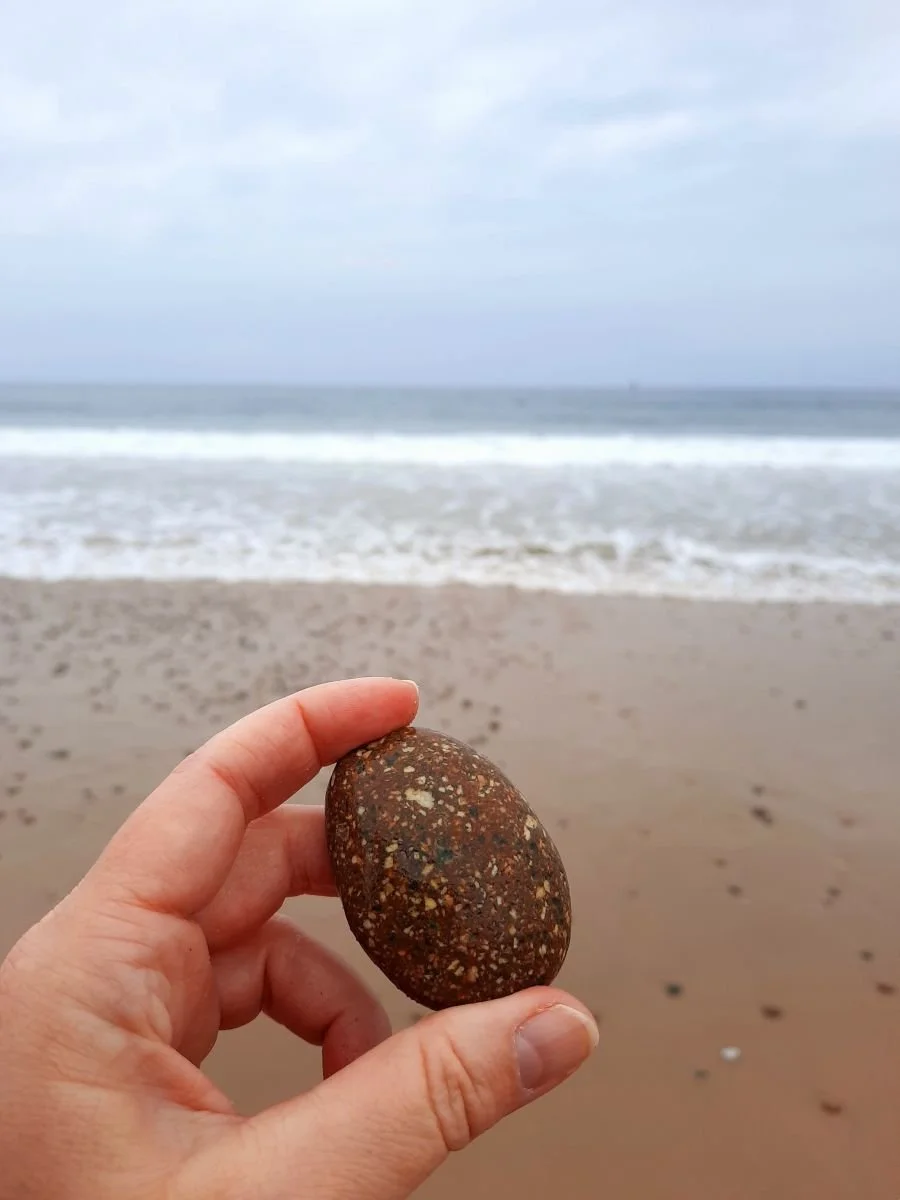
The pictures show my Samhain ritual at Findhorn beach this year. Collecting pebbles, letting them go into the water whilst speaking out what no longer serves me, taking a witness stone home with me as a reminder of what has been released.
✍ Option 2: At home with pen and paper
If you would like to keep it simple, write down the things you’d like to let go of on one or several pieces of paper and release them in whatever way you like: bury them in your garden or in a pot of flowers, burn them in a bonfire or simply rip them up and throw them in the bin.
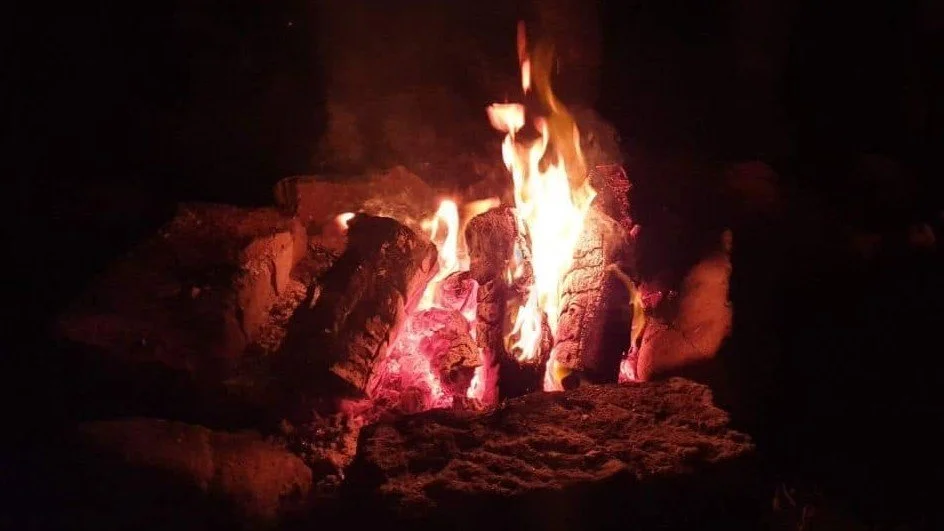
Do what feels right for you
Of course you can also find any other way that feels meaningful to you to let go of the old. Ideally do it in the form of performing a physical act of releasing natural objects like leaves, petals, sticks, sand into one of the four elements: air, water, earth, fire. Studies found that creating a tangible ritual engages both hemispheres of the brain and is therefore considered more powerful than simply speaking words out loud.
Share your experience with us
If you feel drawn to one of these practices or if you feel like creating your own, please share your experience with us. We are curious to hear from you.
Write to the lovely Kate at connect@findhorn.org and she will forward your email to me.
With lots of Love and Samhain Blessings to you, Britta 💖🎃🍂
“You cannot fill up a full bucket; you have to empty it first. You cannot move right into the new when you are still clogged up with the old and refuse to let go.”
☘️ Would you like to learn more about Celtic Mythology?
Celtic Wisdom | Online | 3 November 2026 – 16 March 2027 | Tuesdays: 5.30 UK time
What if there is another way of seeing the world?
Sacred Earth. Sacred soul. Sacred matter. Sacred imagination. Sacred compassion.
Explore Celtic Wisdom this winter together with John Philipp Newell, online from wherever you are.
