
International Bee Day: Listening to the Bees from Slovenia to Findhorn
Written by Dr. May East & Dr. Marilyn Hamilton
This article joins the UN SDG Goals to celebrate World Bee Day, May 20, 2026.
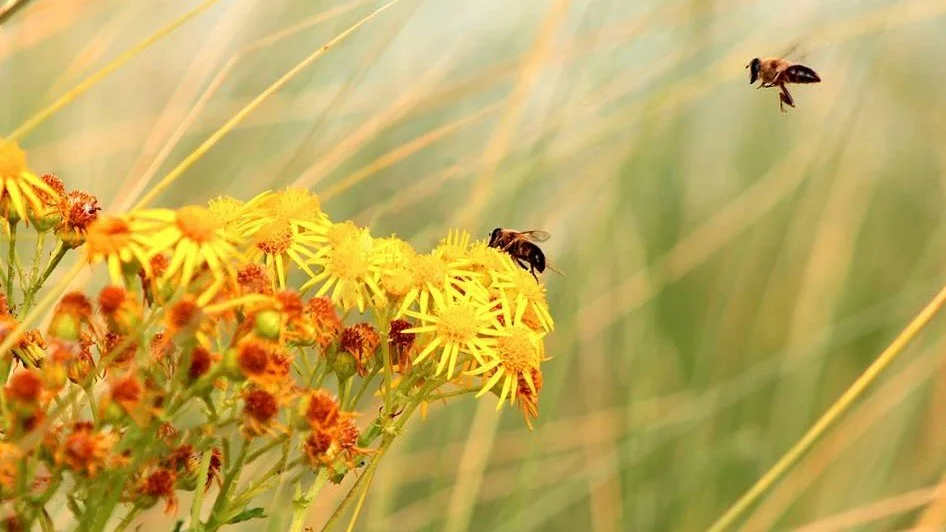
Image by Jay Anjali Dalton
In 2017, thanks to the efforts of Slovenia, the United Nations officially proclaimed 20 May as World Bee Day. This global recognition invites us to pause and reflect on a simple but profound truth:
There is no life without bees.
Bees are among the most important pollinators on Earth. They sustain food security, biodiversity, and sustainable agriculture, while also playing a quiet but vital role in mitigating climate change and supporting healthy ecosystems. Today, it is often said that every third spoonful of food depends on pollination. Beyond food, bees support livelihoods worldwide, providing income for farmers and creating rural jobs through beekeeping and honey production. Their products – honey, pollen, propolis – are rich in essential nutrients and deeply woven into human culture.
And yet, bees are under threat.
Scientific studies continue to show increasing pressures on bee health — from pesticides and habitat loss to climate change and disease. These stressors weaken colonies, making bees more vulnerable and putting entire ecosystems at risk. Recognising this, Slovenia became one of the first EU countries to restrict some of the pesticides most harmful to bees, setting an early example of policy aligned with ecological awareness.
A Scottish Perspective: Beekeeping and Biodiversity
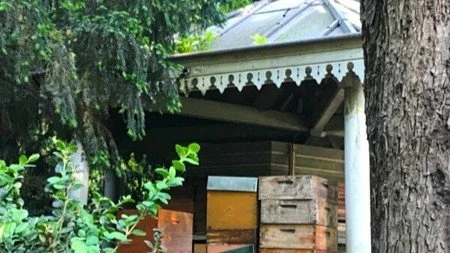
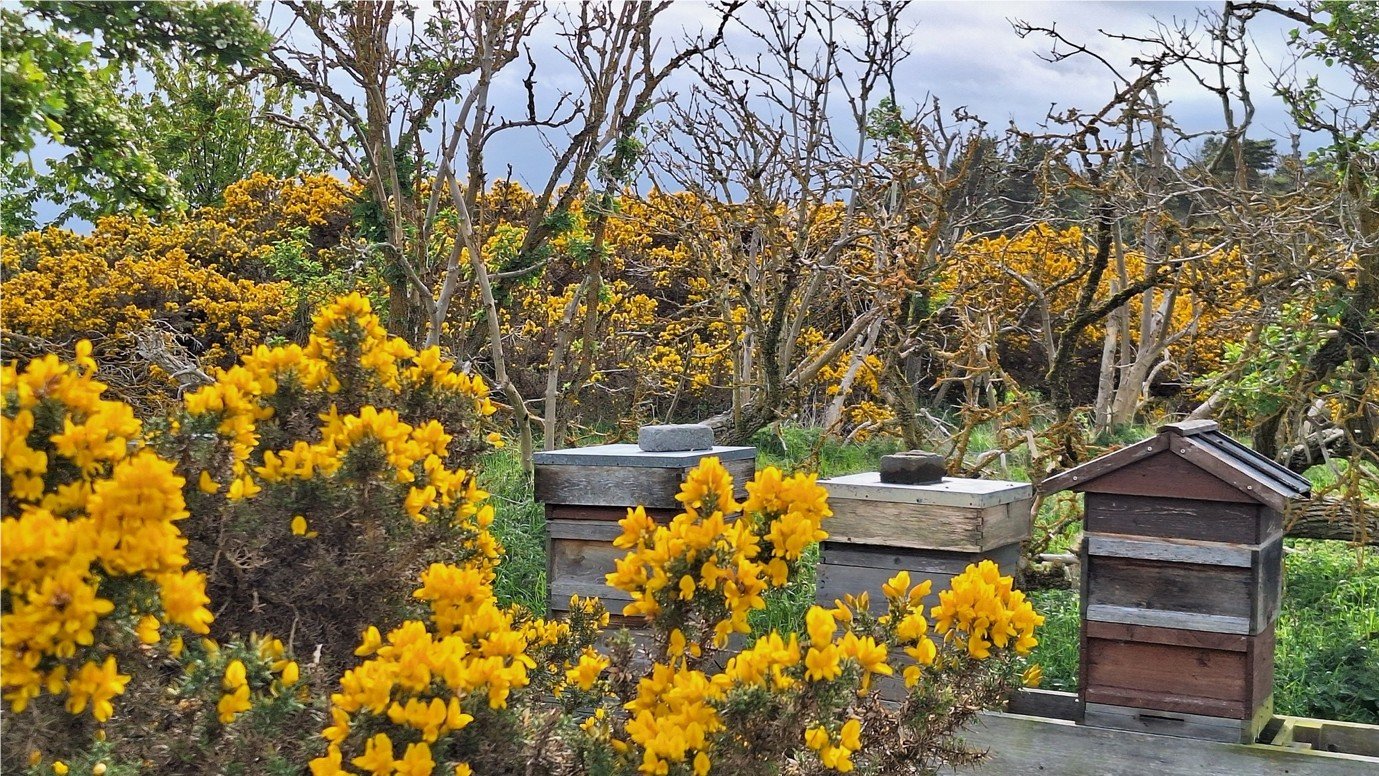
Here in Scotland, beekeeping is both an ancient practice and a growing movement. From small garden hives to heather-covered moorlands producing richly flavoured honey, beekeepers contribute not only to local food systems but also to the health of wild landscapes.
Thousands of beekeepers across Scotland – many of them hobbyists – care for hives that support pollination of crops and wild plants alike. But alongside this, there is a growing awareness that managed honey bees must coexist carefully with native wild pollinators, whose survival is equally essential.
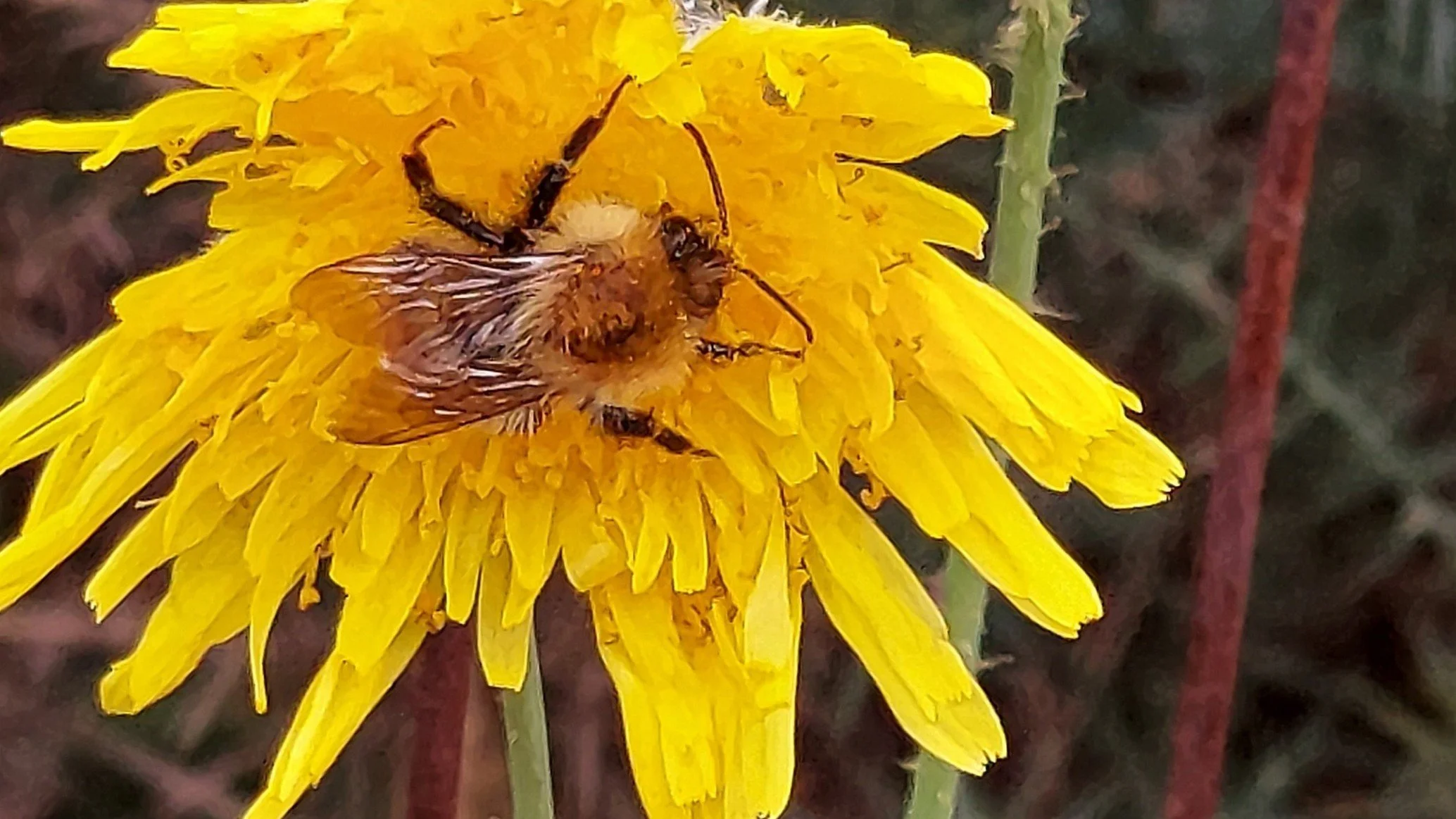
Beekeeping in the Highlands and Islands is as much about relationship as it is about production: a weekly tending of hives in the warmer months, an attentiveness to weather and flowering cycles, and a deep respect for the rhythms of nature.
Bees remind us that intelligence is not only individual. A hive thrives through communication, attunement, and shared purpose. In many ways, human communities are also learning how to become “human hives” — places where cooperation, care, and mutual responsiveness allow life to flourish collectively.
Bees at Findhorn: Community, Learning, and Care
Within the Findhorn Ecovillage, bees are part of a living experiment in regenerative community. The Findhorn Hinterland Trust has established an apiary that reflects the ecovillage’s core values: education, stewardship, and shared responsibility. What began with just a couple of hives has grown into a hands-on learning space where residents and visitors alike can encounter bees up close.
Here, beekeeping is not only about honey — it is about connection:
Learning directly from experienced beekeepers
Gaining confidence through practical, shared experience
Understanding the role of pollinators within a wider ecological system
The apiary also links to broader initiatives such as the Edible Woodland Garden, reminding us that bees are part of an interconnected web of life. Even the sharing of honey becomes an act of community, rather than commerce.
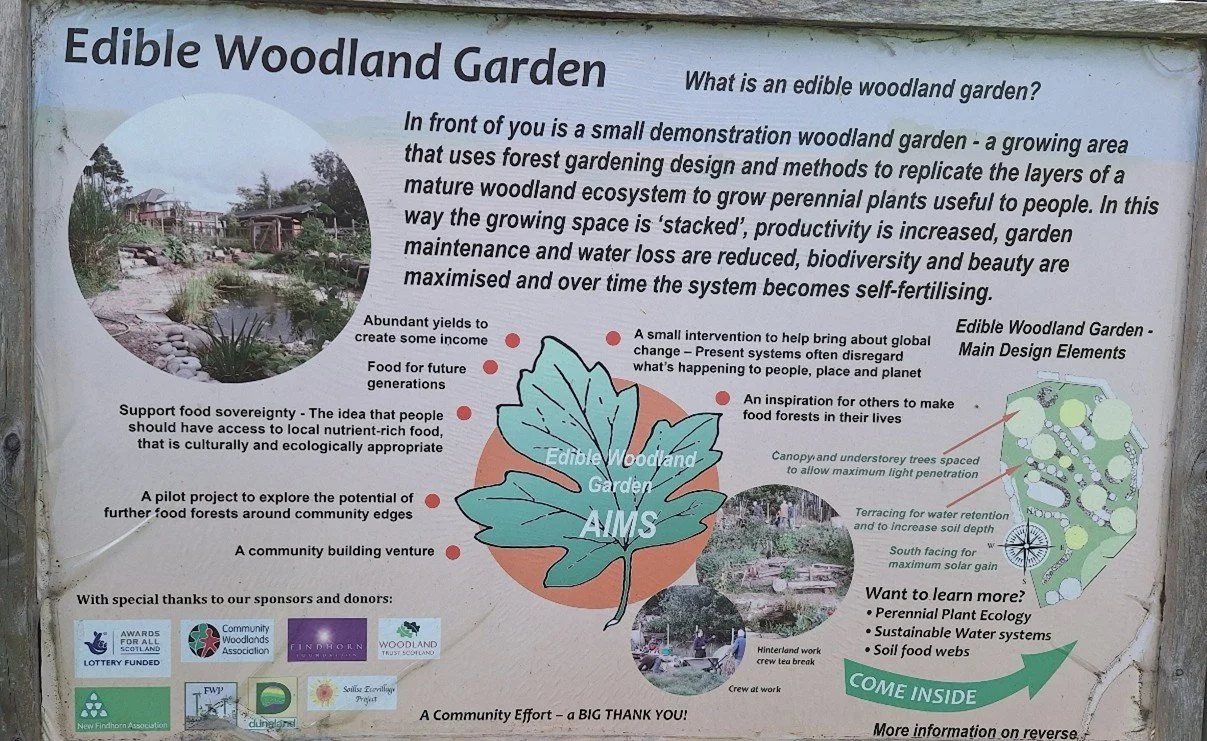
Just as bees carry pollen between flowers, human communities also carry ideas, practices, and culture from place to place. Regenerative communities depend on these invisible acts of exchange and mutual nourishment.
For many, the Edible Garden and visiting the apiary is a first step into beekeeping — an invitation to engage without needing to own equipment or land, and a pathway into deeper involvement with local groups and ecological work.
Working with the bees, people learn that a healthy hive is not simply a production system for honey. It is a living community shaped by cooperation, responsiveness, and continual adaptation to changing conditions.
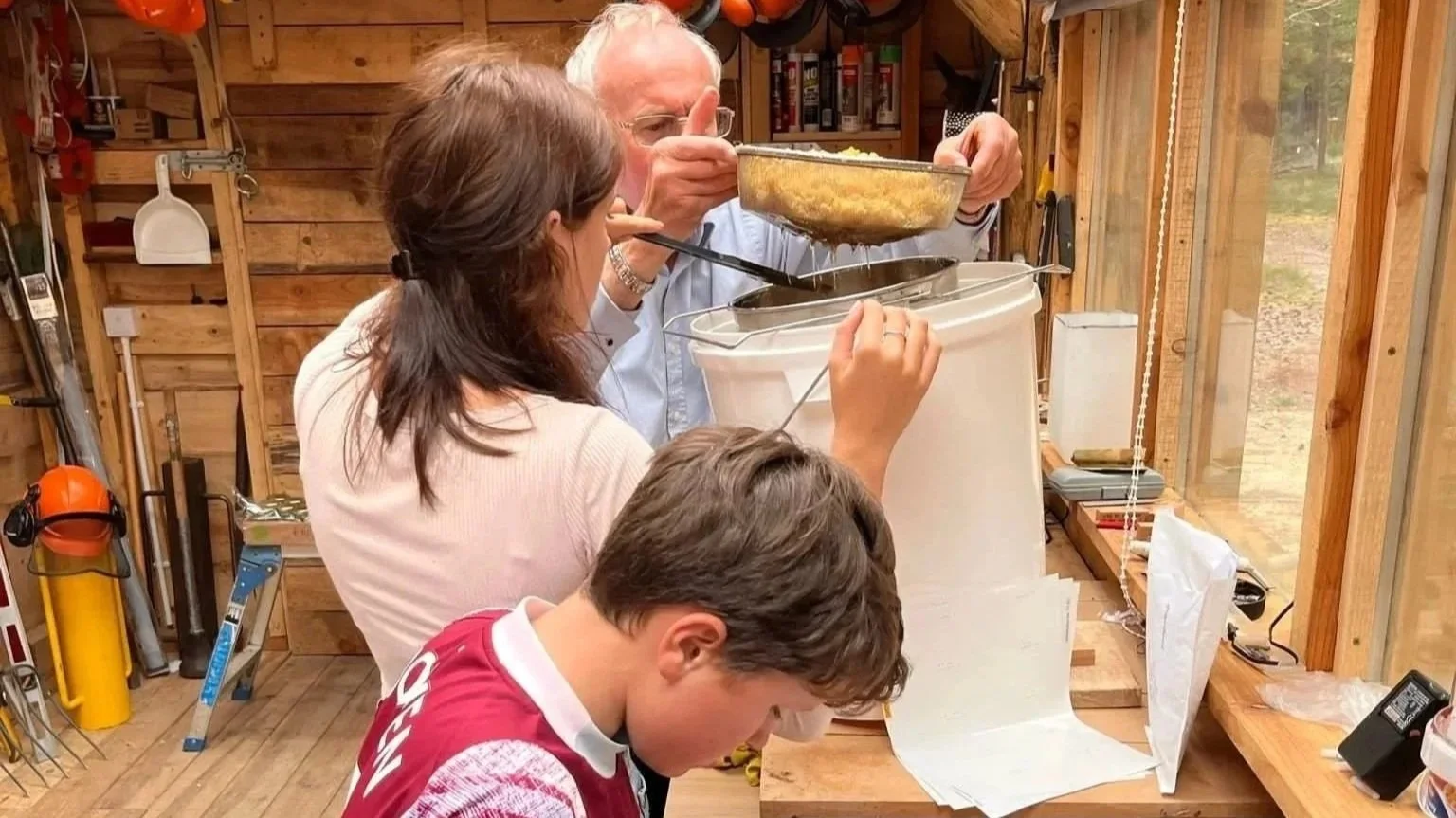
Lovingly preparing the honey while leaving most of it for the bees.
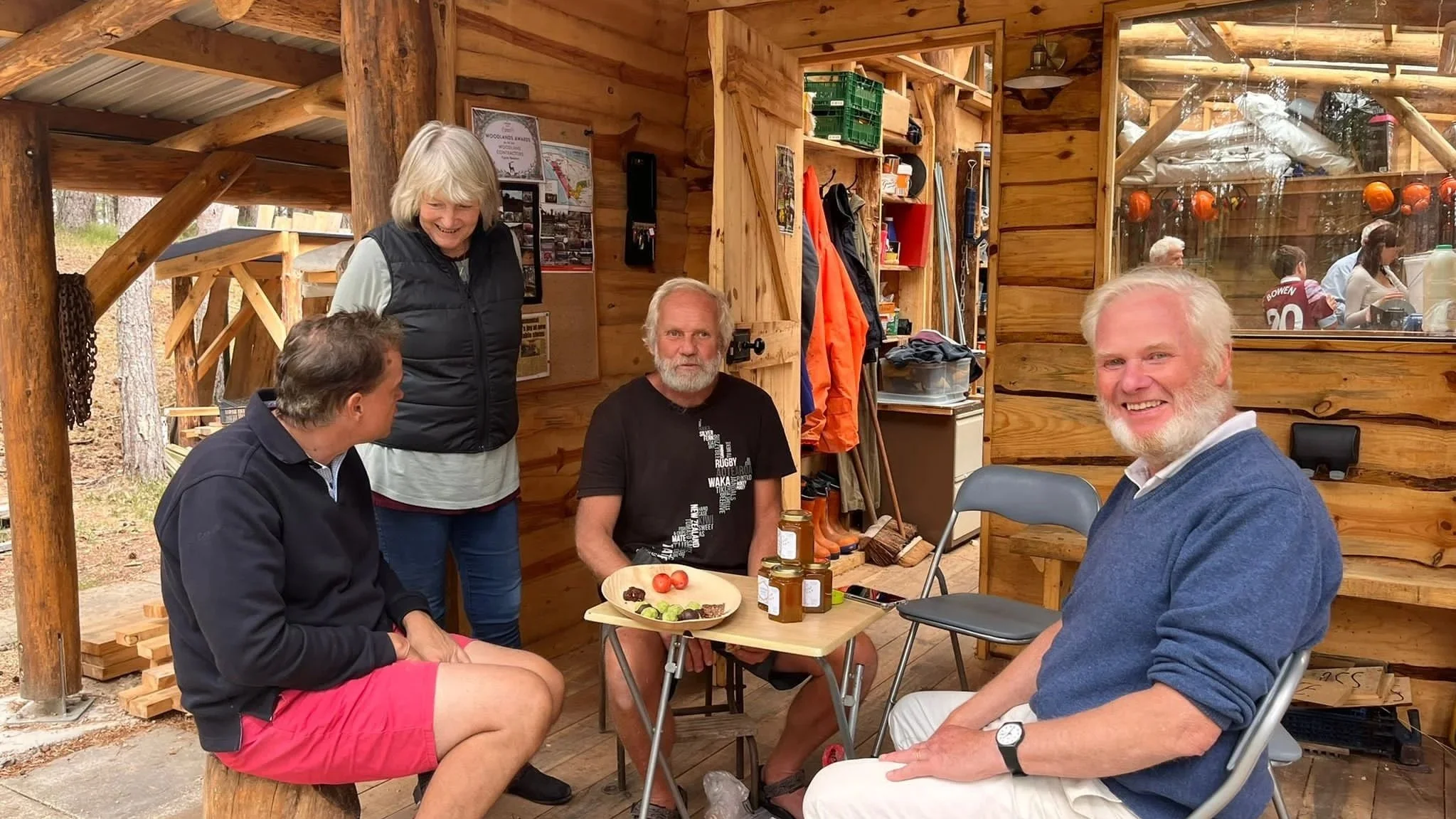
Celebrating the bees on the porch of the Hinterland Shelter.
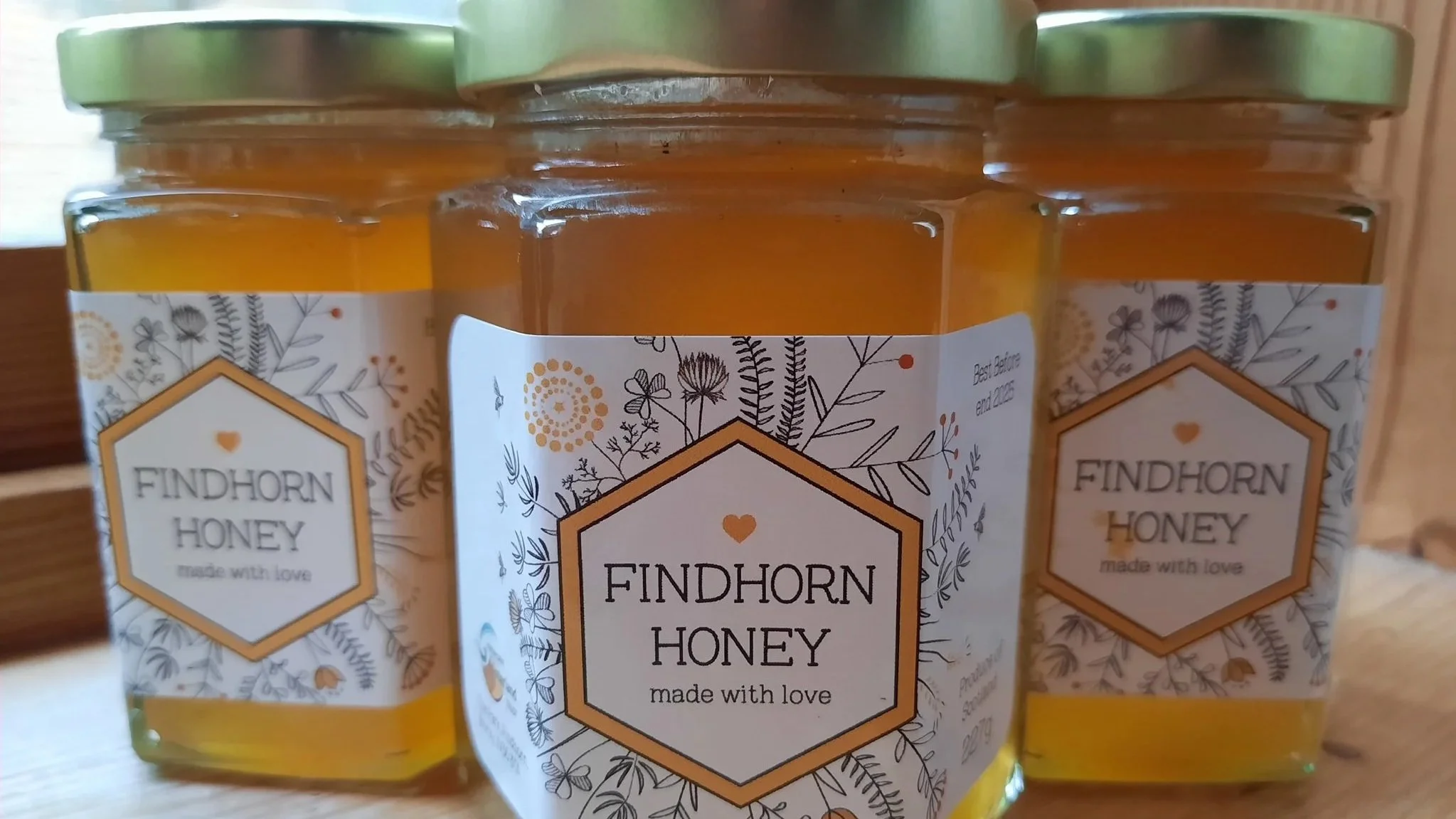
Findhorn Honey. Made with love.
When preparing Findhorn Honey most of it stays for the bees and all money made from the nearly 100 jars of surplus honey goes towards their wellbing. So it really is all about the love and care the beekeepers put into supporting as many bees as possible to have a heathy life in and around Findhorn.
“From the bee, honey.
From the wasp, a sting.
Yet both drink from the same flower!”
Listening to the Bees
International Bee Day is not just a celebration — it is a gentle call to awareness and action. From the global leadership of Slovenia, to the careful tending of hives across Scotland, and the community spirit of the Findhorn Ecovillage, one truth becomes clear: our future is deeply intertwined with the wellbeing of bees.
To keep bees well, people must learn to slow down, observe carefully, and respond to subtle changes in weather, flowering, and colony behaviour. In this sense, bees teach a form of ecological listening. Bees are more than pollinators. They are indicators of environmental health, partners in food production, and teachers of interdependence.
The 2026 theme, “Bee Together for People and the Planet – A partnership that sustains us all,” captures this beautifully, reminding us that by caring for bees, we are also caring for the delicate balance of life that sustains us all.
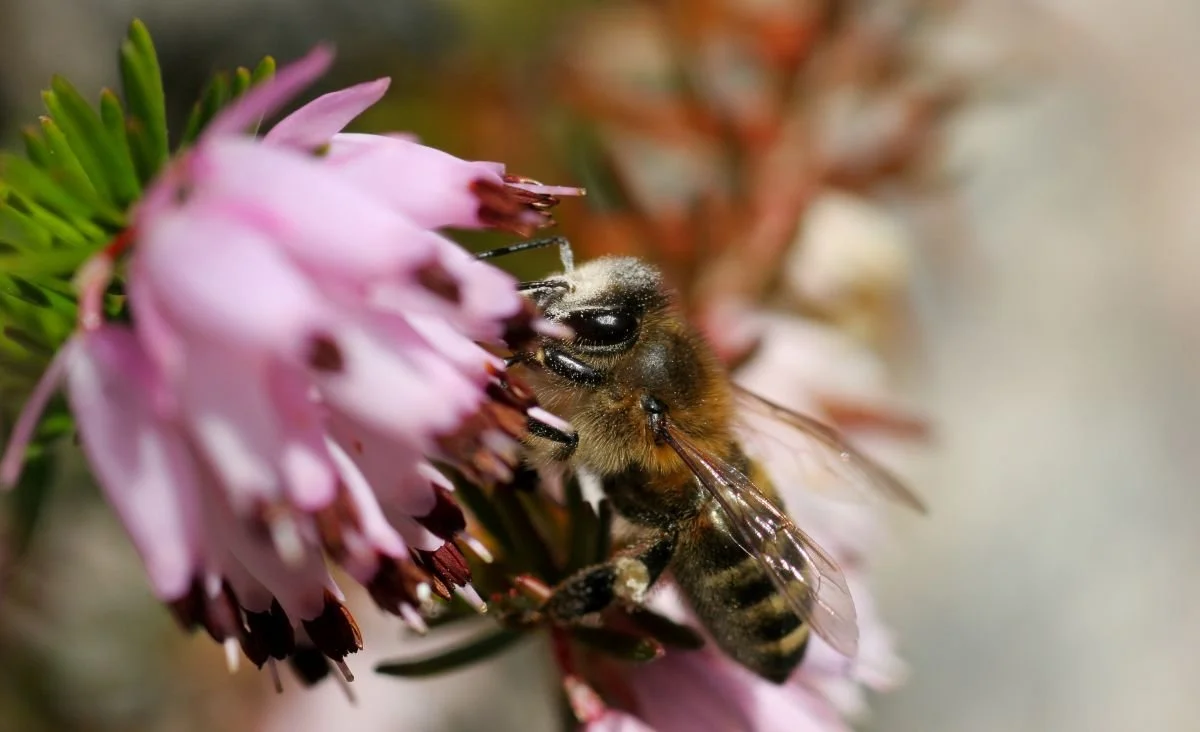
Meditating with the Bees
Dorthy Maclean who was one of the Findhorn Community’s founders, was an ex-beekeeper herself. Dorothy felt inspired to meditate daily with the bees in heart/mind. She said:
“We humans have been gifted with free will, so that we have the power of choice, and the capacity to make a conscious contact with our inner divinity, by whatever name or face we recognise that Presence. Every morning I spend 10 minutes repeating, with variations, the following invocation, adding whatever else may come to mind. The successful functioning of bees on the planet is a vital need:
“I choose to invoke the vast loving power of my inner divinity to bring about the successful functioning of bees here and throughout the world, spreading joy everywhere.”
Like Dorothy, perhaps the bees are reminding us that resilience is not created through competition alone, but through relationship — thousands of small acts of cooperation woven together into a living whole.
Quote: Dorothy Maclean, 2010. Memoirs of an Ordinary Mystic. Lorian
Images: Jay Anjali Dalton, May East, Marilyn Hamilton, Bo Holden
